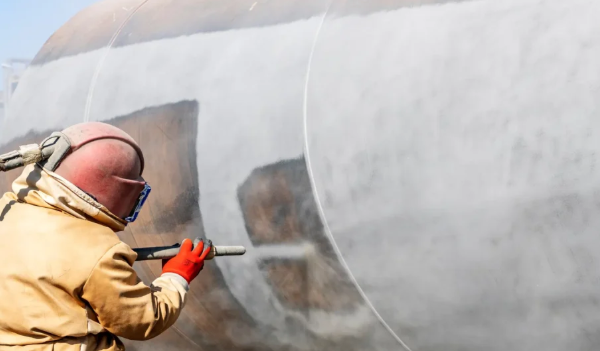
Manufacturers need cleaning processes that produce reliable results without introducing unnecessary damage, waste, or production delays. This can be challenging when components have different shapes, contamination levels, and surface-finish requirements. Laser-based cleaning provides an additional option for selected industrial applications, and pulsed systems are worth considering when their operating characteristics align with the task.
Why Cleaning Precision Matters
The condition of a metal surface can influence nearly every operation that follows it. Residue may interfere with paint adhesion, oxide layers may affect fabrication, and corrosion can complicate inspection. Inconsistent preparation can result in rejected components, repeated work, and delays further down the production line.
An effective cleaning method should remove the target contaminant while preserving the substrate to the extent required by the application. That means defining the expected result before choosing the equipment.
Factors such as material composition, coating thickness, component geometry, and downstream processing should all be considered during the initial assessment.
The Operating Principle Behind Pulsed Laser Cleaning
A pulsed laser delivers energy in discrete bursts rather than maintaining a continuous output. The interaction between these pulses and the surface depends on pulse energy, duration, repetition rate, beam movement, and other equipment settings.
Under suitable conditions, the process can help remove selected contaminants from compatible surfaces. However, the result varies according to the substrate and the material being removed. The process must be configured and tested for each relevant application.
Manufacturers evaluating available equipment can examine the Clyertek pulse laser cleaning machine product range when comparing options for industrial surface preparation.
Where Pulse-Based Cleaning May Be Considered
Preparing metal before coating
Coatings generally require an appropriate surface condition to achieve their intended performance. Rust, residue, and certain unwanted layers can interfere with the application process.
Laser cleaning may be suitable for selected components, but the required cleanliness standard should be established with reference to the coating system. Some applications may require additional inspection or preparation after cleaning.
Cleaning parts during maintenance
Industrial maintenance teams frequently encounter metal surfaces affected by oxidation or deposits. A cleaning trial can help establish whether a pulsed system is suitable for the component’s material, dimensions, and condition.
The team should also determine whether cleaning will expose underlying damage. Corrosion pits, cracks, and loss of material may remain after the unwanted surface layer has been removed.
Supporting controlled manufacturing processes
When a facility processes similar components repeatedly, approved settings and documented procedures can support consistency. Operators can record the parameters used, inspect the result, and compare outcomes across production batches.
This approach makes it easier to identify deviations and determine whether the process needs further validation.
Selecting Equipment According to Application Needs
A machine should be chosen according to the production problem it needs to solve. Start by identifying the main contaminants, materials, part dimensions, required finish, and expected volume of work.
Then assess equipment features that influence usability and performance, including:
- Laser output and pulse-control capabilities.
- Scanning and beam-delivery options.
- Compatibility with the intended materials.
- Workpiece access and positioning requirements.
- Cooling, maintenance, and service needs.
- Operator controls and safety features.
- Supplier documentation, training, and technical support.
A practical demonstration using representative workpieces can show how the machine performs under realistic conditions. Ask for clear information about the recommended settings and limitations rather than relying solely on general claims about cleaning speed.
Validating Surface Quality
Before introducing the equipment into regular production, establish a controlled testing procedure. Select samples that reflect the actual contamination and surface condition. Record the original condition, operating parameters, processing time, and result.
Inspect the cleaned surface for remaining residue, unwanted discoloration, or damage. Where the component will be painted, welded, bonded, or otherwise processed, verify that the cleaning result meets the requirements of the next stage.
The acceptance criteria should be consistent across the trial. This allows the proposed method to be compared fairly with the existing process and helps prevent a visually impressive but unsuitable result from being approved.
Safety and Environmental Controls
Pulsed laser cleaning must be carried out with appropriate protection against direct and reflected radiation. The removal of surface materials may also produce fumes, particles, or other contaminants that require control.
A documented risk assessment should determine the required engineering measures. Depending on the system and task, these may include an enclosed work area, interlocks, warning signs, restricted access, laser-rated protective eyewear, and local exhaust ventilation.
Operators should be trained in safe setup, approved settings, emergency procedures, and routine inspection. Coatings of unknown composition should be assessed before treatment so that suitable extraction and protective measures can be selected.
Measuring Long-Term Operational Value
Equipment performance should be assessed over time rather than through a single demonstration. Useful measures include average cleaning time, first-pass acceptance rate, maintenance requirements, rework, consumable use, and production downtime.
Compare these results with the current process while including setup, handling, inspection, and cleanup. A new technology may improve one stage but create additional work elsewhere, so the entire workflow should be evaluated.
Periodic reviews can identify whether the validated settings continue to deliver consistent results as materials, operators, and production volumes change.
See also: Understanding Enzyme Activity Specifications in Ingredient Manufacturing
Frequently Asked Questions
1. What is the main characteristic of a pulsed laser system?
It delivers laser energy in separate pulses. Its effectiveness depends on the pulse characteristics, equipment design, material, contaminant, and operating parameters.
2. Can pulsed laser cleaning replace all conventional methods?
No. It may be appropriate for selected applications, but abrasive, mechanical, and chemical methods can remain useful where they better match the material, production requirements, or surface standard.
3. How can manufacturers reduce the risk of surface damage?
Use approved settings, test representative samples, inspect the result, train operators, and document validated procedures before treating production components.
Conclusion
Controlled surface preparation is essential to manufacturing quality, reliable finishing, and efficient maintenance. Pulsed laser technology may provide a useful option for selected cleaning tasks, but its suitability must be established through application testing and careful process control. When equipment selection, safety planning, operator training, and performance measurement are treated as parts of one system, manufacturers can make informed decisions about improving their industrial cleaning operations.
